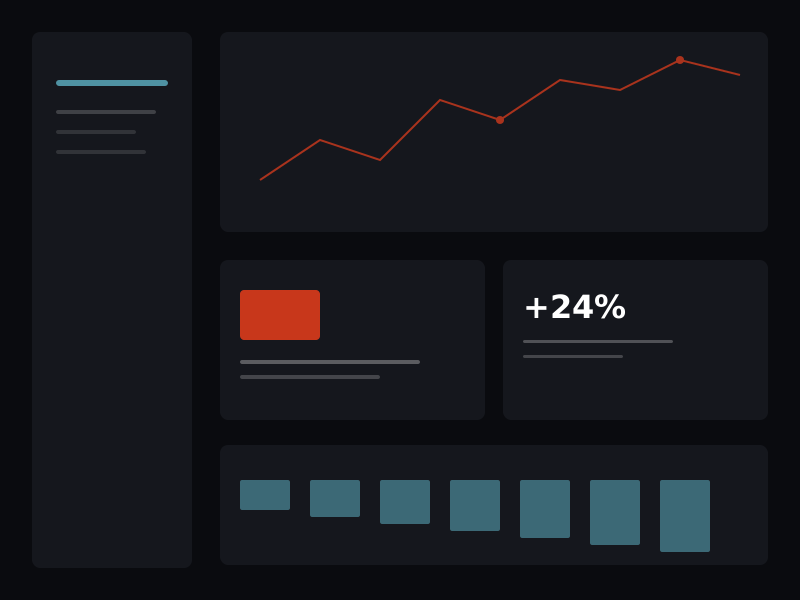
A modular analytics dashboard concept for B2B SaaS. Designed with progressive disclosure principles and a flexible component system that scales from single-metric widgets to multi-panel reports.
B2B analytics dashboards rarely scale gracefully. This concept project tackled the dense-data problem from the component level up, building a system flexible enough to fit single-metric widgets or full multi-panel reports without breaking layout or hierarchy.
Most analytics platforms throw every chart on screen at once. Users get overwhelmed in 30 seconds. The concept brief: a dashboard that scales from a single metric to a full report without losing clarity.
A mix of methods, scaled to the size of the project. The goal: get to the underlying user need without overengineering the research phase.
Reviewed 12 leading analytics platforms (Mixpanel, Amplitude, Heap, Pendo) to map standard patterns and identify friction points.
Audited 6 internal SaaS dashboards against Nielsen's usability heuristics to identify recurring issues across data-heavy interfaces.
Cataloged the 40+ widget types across the platforms reviewed and clustered them into 8 foundational patterns.
Distilled findings into 3 design principles: progressive disclosure, modular composition, and consistent data hierarchy.
What the research surfaced — distilled to the three things that drove every design decision after.
A component library where every widget can scale from compact to expanded. Defaults to the simplest view, expands on user intent. Chart styles, data treatments, and callouts share the same visual language across sizes.

The same process on every project, scaled to the size of the brief. Predictable enough to plan against, flexible enough to fit the work.
Competitive analysis, pattern mapping across 12 platforms.
8 base widget types, 3 layout principles, design token system.
Figma component library with variants for each size and state.
Assembled 12 dashboard variants from the 8 base widgets to test flexibility.
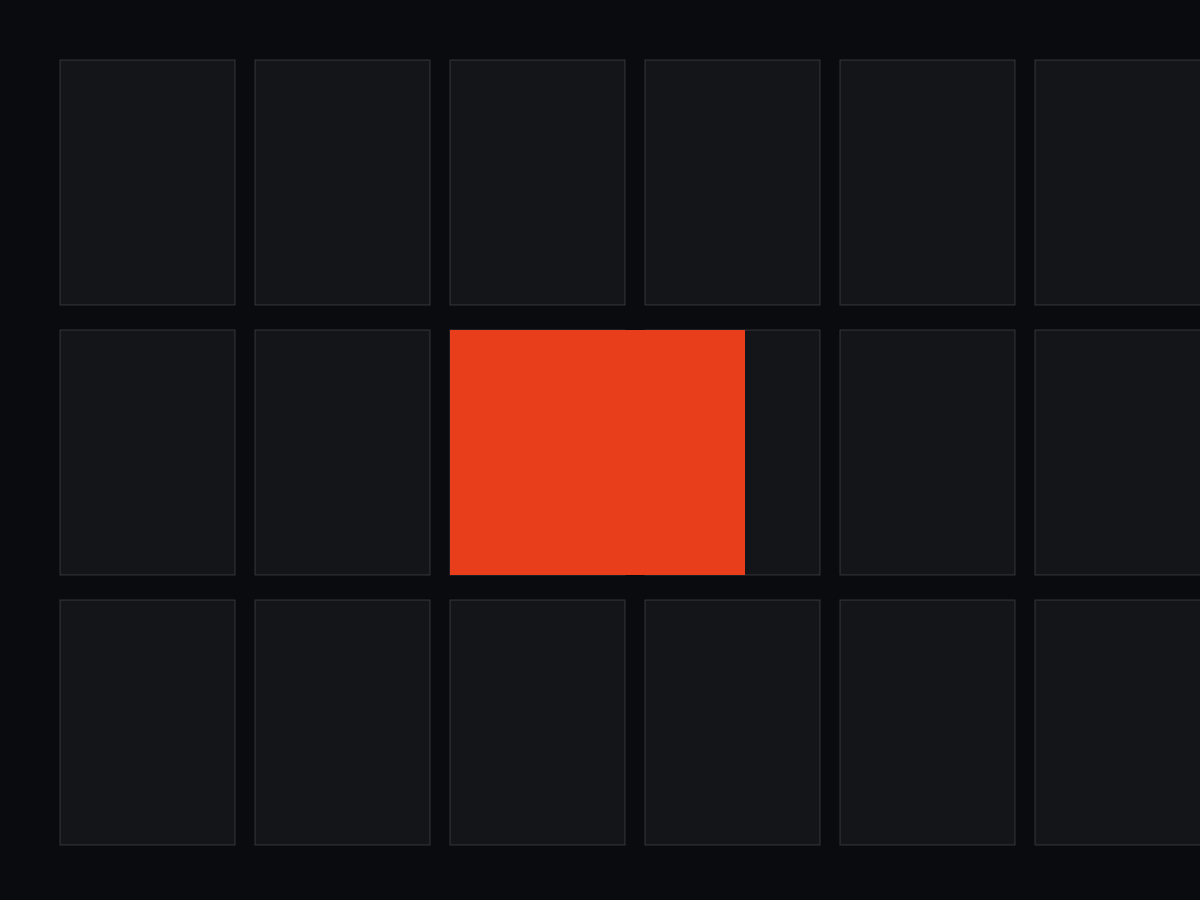

The component library produced 12 different dashboard variants from the same 8 base widgets. A workflow that previously required custom design per dashboard could now be assembled by PMs in Figma. Setup time estimated to drop 40% based on pattern coverage.
The biggest lesson: component systems beat custom design for data-heavy products. The first dashboard is harder. The 12th is easy. The 50th is automatic.